


In the world of beauty, choosing a reliable skincare spa is always a top priority for those who value quality and self-care. Understanding this need, Mayu Japanese Esthetic Spa has gathered essential insights to help you gain a clearer view of the Japanese-standard skincare journey. This article not only introduces the refined and relaxing atmosphere at Mayu, but also reveals carefully designed services tailored for skincare enthusiasts. It will help you confidently choose a trusted spa Ho Chi Minh City and find the ideal place to treat yourself both physically and mentally.
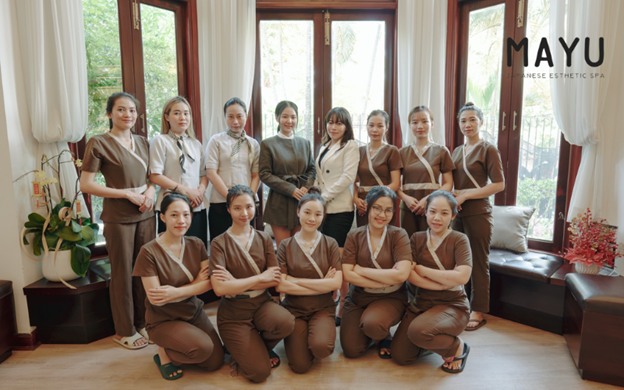
The Current Skincare Spa Industry – Insights from Mayu Spa
In recent years, the skincare spa industry in Vietnam has experienced rapid growth. In the past, visiting a spa was considered a luxury reserved for those with higher incomes. Today, however, professional skincare has become an essential part of the routine for many beauty-conscious women. Statistics show that the spa market is growing at an annual rate of 10–12%, clearly reflecting how women are increasingly investing time and attention into maintaining healthy, beautiful skin.
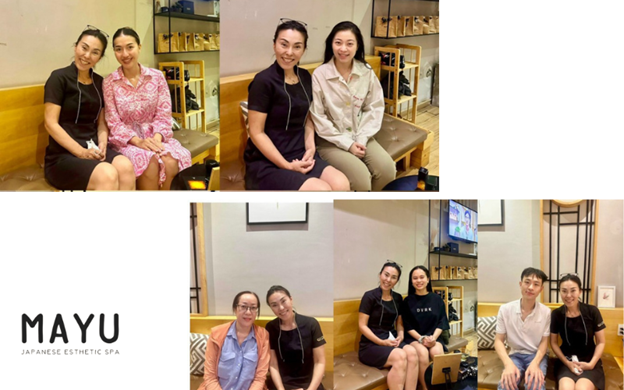
At Mayu Japanese Esthetic Spa, we meet a wide range of clients—from busy office workers and Gen Z customers who want “photo-ready skin,” to women in their 30s and 40s who focus on anti-aging. They come not only to relax, but also see spa visits as an essential part of their self-care routine.
However, choosing a trusted spa is not always easy. With thousands of spas appearing on the market, it can be difficult to know which one is truly safe for your skin. Many people have had disappointing experiences due to exaggerated advertising or even faced skin issues caused by unqualified providers. That’s why learning how to choose the right skincare spa has become an important skill for anyone who cares about beauty and skin health.
What Is a Skincare Spa? How Is It Different from an Aesthetic Clinic?
Definition & Types
Traditional vs. Modern Skincare Spa
Traditional spas often focus on basic relaxation treatments such as massage and steam therapy. In contrast, modern spas go further by incorporating advanced skincare technologies. This allows clients not only to relax mentally, but also to achieve healthier, more radiant skin after each session.
Day Spa vs. Medical Spa vs. Destination Spa
- Day spa: A convenient option for those who want short treatments within a few hours—like a quick beauty break during a busy day.
- Medical spa: Ideal for clients who want to combine relaxation with more advanced dermatological treatments, often performed under professional supervision.
- Destination spa: A full wellness retreat where beauty care services are combined with a high-end resort environment, offering a complete and immersive self-care experience.
Difference Between Spa, Salon, and Aesthetic Clinic
Many people still easily confuse spas with salons or aesthetic clinics. In reality, a spa focuses on skincare and nourishment, helping you relax and restore your energy. A salon mainly specializes in hair, nails, and external styling. Meanwhile, an aesthetic clinic focuses on more advanced medical treatments and procedures. Understanding these differences will help you choose the most suitable place for your needs.
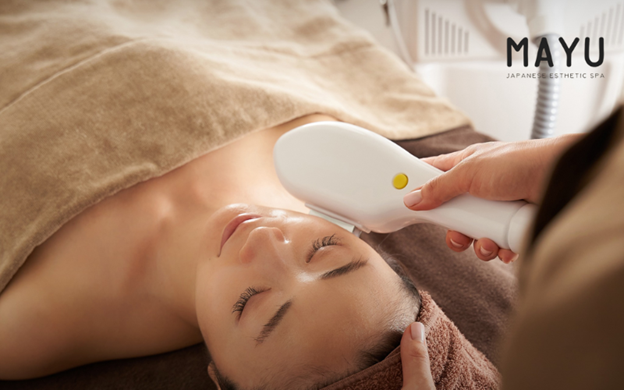
The Role in a Beauty Care Routine
In a woman’s beauty routine, a spa plays an important role as a key highlight alongside daily skincare. While homecare with cleansers, toners, and serums provides the foundation, spa treatments bring a deeper level of care that helps the skin improve, become smoother, and look more radiant.
Home care and professional care always go hand in hand. Daily skincare at home is like watering a plant regularly, while spa treatments act as a “boosting treatment” that nourishes and restores the skin more intensively. The balance between these two elements helps maintain healthy, long-lasting beauty.
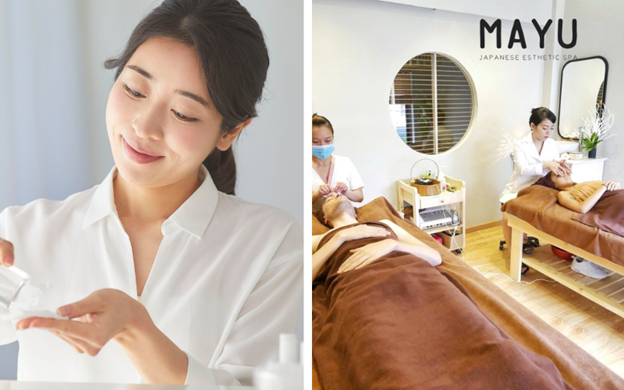
The frequency of spa visits should be adjusted based on your skin type. For oily or acne-prone skin, visiting a spa 1–2 times per month can help deeply cleanse the skin and control excess sebum. Meanwhile, dry or sensitive skin may benefit from longer treatment cycles focused on hydration and recovery. Listening to your skin and choosing the right spa schedule will deliver optimal results, helping you feel confident in every moment.
The Scientific Foundation of Skincare Spa Treatments
Understanding the Skin
Our skin consists of three layers—the epidermis, dermis, and hypodermis—and each layer requires specific care techniques. The skin renewal cycle typically lasts 28–40 days, and this period is considered the “golden window” for spa treatments to achieve the best results.
Professional devices act as a “bridge,” helping active ingredients penetrate deeper into the skin—something that regular over-the-counter products often cannot achieve.
Active Ingredients Used in Spa Treatments
At spas, active ingredients are often used at higher concentrations compared to retail skincare products. These can be seen as “targeted treatments” that deliver visible results in a shorter time. Common ingredients include AHA/BHA for exfoliation, stabilized retinol to boost skin renewal, peptides and growth factors for repair, and high-concentration hyaluronic acid (HA) for deep hydration. All of these ingredients are carefully selected and applied in a controlled environment to ensure both effectiveness and safety.
Spa technology acts as a “bridge” that helps active ingredients reach exactly where the skin needs them most. Techniques such as iontophoresis, ultrasound, nano-infusion, and microneedling create pathways that allow nutrients to penetrate deeper into the epidermis and dermis. This enables active ingredients to work more effectively, rather than remaining on the surface. As a result, the skin is nourished from within, becoming smoother and healthier more quickly.
A simple comparison: drugstore products are like daily companions, gentle, safe, and suitable for maintenance. Spa products and treatments, on the other hand, are more like “intensive therapies” which are stronger, designed to target specific concerns, and able to deliver faster results. The key is to use them correctly, under professional guidance, to avoid irritation or overuse.
Advanced Technologies and How They Work
- Laser: A versatile technology where each wavelength serves a different purpose—some target pigmentation, while others focus on skin structure and resurfacing. Fractional or non-ablative lasers typically provide skin renewal with minimal downtime, while ablative lasers are more intensive and require longer recovery. Choosing the right laser is like selecting the most suitable solution for each specific skin concern.
- RF & HIFU: These technologies use energy to stimulate collagen production. RF (radiofrequency) delivers heat into the dermis to improve skin firmness, while HIFU targets deeper layers such as the SMAS for non-surgical lifting. Results appear gradually, with firmer skin and more defined contours over time.
- Microneedling: This technique creates micro-channels in the skin to trigger the natural healing process and boost collagen production. It helps improve skin texture, reduce pore size, and enhance the absorption of serums. When combined properly (such as with PRP or specialized serums), microneedling becomes an effective solution for skin regeneration.
- LED therapy: A gentle yet effective treatment with cumulative benefits. Red light stimulates collagen production and supports anti-aging, blue light helps fight acne-causing bacteria, and near-infrared light aids healing and reduces inflammation. LED therapy is suitable even for sensitive skin and works well as a regular maintenance treatment.
How to Choose the Right Spa Treatment for Your Skin
Oily and Combination Skin
Oily skin often comes with excess shine, enlarged pores, and a higher risk of breakouts. The ideal treatments focus on deep cleansing combined with gentle exfoliation to remove dead skin cells. However, balance is key; over-exfoliation can disrupt the skin barrier and lead to further issues.
Dry and Sensitive Skin
Dry skin lacks oil, while dehydrated skin lacks water—two different conditions that are often confused. For this skin type, it is best to choose intensive hydrating treatments combined with soothing masks. Ingredients such as alcohol or strong fragrances should be avoided, as they can easily cause irritation after treatment.
Problematic Skin (Acne, Pigmentation, Aging)
Acne, pigmentation, and aging each require a tailored approach. Mild acne can be treated with LED therapy and deep cleansing, while more severe acne may require controlled peeling treatments. For pigmentation concerns such as melasma or dark spots, laser treatments and targeted serums are often the most effective options. For those noticing early signs of aging, HIFU and RF are powerful solutions to help restore firmness and improve skin elasticity.
Inside a Spa Treatment Process – From Consultation to Aftercare
Preparation Stage
Before starting any treatment, clients undergo a detailed skin analysis using advanced technology to identify underlying skin conditions. This is followed by a sensitivity test to ensure maximum safety. Based on the results, experts at Mayu Japanese Esthetic Spa will design a personalized skincare plan for each individual, along with simple pre-treatment guidelines to help prepare the skin for optimal results.
Treatment Process
A spa session is a complete journey, not just a simple facial or massage. Each step—cleansing, exfoliation, steaming, targeted treatment, and recovery—is carefully designed to deliver optimal results. Throughout the process, therapists closely monitor the skin’s response and listen to the client’s feedback, ensuring that every moment is both safe and comfortable.
Post-Treatment Care
After leaving the spa, the skin continues to “work.” The first 24 hours are especially important—clients should avoid strong sun exposure, limit the use of active cosmetics, and focus on gentle recovery. In the following week, the daily skincare routine should be adjusted to support the renewed skin. To maintain long-term results, Mayu Japanese Esthetic Spa provides personalized treatment schedules, helping clients sustain healthy and radiant skin over time.
A Smart Investment in Skincare
Visiting a spa is not about spending on luxury—it is a long-term investment in beauty and confidence. Compared to the cost of treating damaged skin later, maintaining regular visits to a skincare spa is a smarter and more cost-effective approach. While home skincare is essential, spa treatments are what create real transformation for the skin.
Real Stories – Skincare Journeys at Mayu Spa
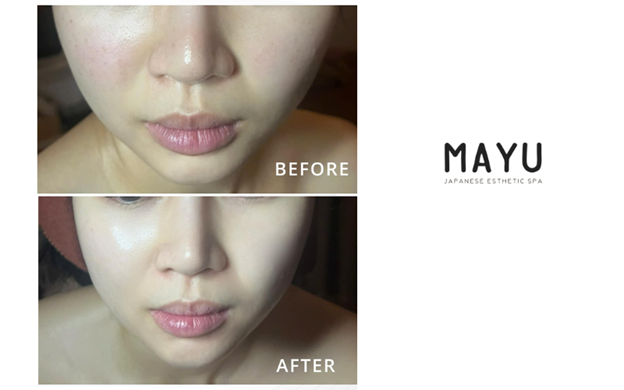
A 28-year-old client came to Mayu Japanese Esthetic Spa with severe acne caused by stress and hormonal imbalance. After six months of treatment, including gentle peeling, LED therapy, and deep cleansing, her journey became a true transformation. The first month was challenging due to skin purging, but by the third month, breakouts had significantly reduced, and pores appeared smaller. After six months, her skin became brighter, smoother, and healthier—an outcome that even she did not expect.
Another case is a 35-year-old client who visited the spa for anti-aging prevention. Instead of waiting for wrinkles to appear, she chose regular HIFU and RF treatments combined with recovery masks. After one year, her skin maintained its firmness, and no visible wrinkles had formed. This clearly shows that “prevention is better than cure” also applies to skincare.
Skincare Spa 4.0 – Technology & Future Trends
The spa industry is entering the 4.0 era, where artificial intelligence can analyze skin conditions at a cellular level to personalize treatments. Advanced services such as mesotherapy injections, next-generation laser treatments, and multi-layer RF technology are becoming increasingly popular at Mayu Japanese Esthetic Spa. The future trend focuses on maximizing effectiveness while minimizing invasiveness—allowing clients to achieve beautiful results with greater safety and peace of mind.
Frequently Asked Questions
Why do the same treatments produce different results?
Each person’s skin is unique in terms of strength, hydration levels, and underlying conditions. Therefore, results may vary depending on individual skin characteristics and post-treatment care.
Can spa treatments make your skin “dependent”?
Spa treatments do not make the skin dependent. However, once clients experience visible improvements, they often choose to maintain regular treatments. This is a natural preference, not an addiction.
How can you evaluate the real effectiveness of a treatment?
Results should be assessed from multiple aspects: improved skin texture, brightness, overall skin health, and long-term maintenance, not just immediate changes.
How should spa treatments be combined with a home skincare routine?
Home skincare maintains the foundation, while spa treatments act as a “booster” to help the skin recover and improve more quickly. Combining both is the key to long-lasting, healthy skin.
Is spa treatment completely safe during pregnancy?
Pregnant women can still enjoy skincare treatments at a spa, but should choose gentle options that avoid strong chemicals or deep-impact technologies. Professional consultation is essential.
Conclusion: Skincare Spa – A Journey, Not a Destination
Beauty is a long journey where consistency matters more than instant results. Choosing the right skincare spa not only helps you achieve healthy skin but is also a way of taking care of yourself.
Start with small skincare steps, then gradually build better habits because investing in your beauty is always a wise investment.
If you would like to experience authentic Japanese skincare treatments and receive a personalized consultation, contact Mayu Japanese Esthetic Spa today:
- Website:https://mayuspa.com/en/
- Hotline: 0909 641 298
- Working Hours:
District 1 Branch: Monday – Sunday (09:00 – 21:00)
District 2 Branch: Tuesday – Sunday (09:00 – 21:00)

